Do Mobile Whiteboards Actually Get Used in Offices?
As workplaces continue to evolve with hybrid work models becoming the norm, organizations are reconsidering their office layouts, tools, and technologies. Among these tools, mobile whiteboards remain a common sight in many offices, yet questions persist: Are they genuinely used? Do they fit into the increasingly dynamic demands and workflows of today’s workforce? In this post, we dive deep into the practical role of mobile whiteboards, illuminated by expert insights and cutting-edge workplace design thinking.
Hybrid Work and Changing Expectations
The pandemic-induced shift to hybrid work has transformed employee expectations and how office spaces are utilized. According to Harvard Business Review, the modern office is now viewed more as a hub for collaboration and connection rather than a place for individual desk work. This major shift has implications for the relevance and deployment of collaboration tools, including mobile whiteboards.
Mobile whiteboards were historically valued because they could be wheeled into meeting rooms or open-plan spaces to facilitate brainstorming sessions. However, with more people working remotely at least part-time, the frequency and nature of in-person collaboration have shifted. Offices now emphasize multipurpose areas designed for spontaneous or scheduled team work sessions, which mobile whiteboards can accommodate — if utilized with intention.

Changing Needs for Collaboration Tools
The tools that best serve hybrid teams are those that support asynchronous and synchronous collaboration, integrating digital flexibility with physical interactivity. Mobile whiteboards offer tactile engagement for small groups, often complementing digital platforms that remote team members use.
Yet misuse or underuse happens when mobile whiteboards are treated as decorative props rather than practical tools. Lum Chang Brandsbridge, a company known for blending innovative workspace solutions with operational efficiency, emphasizes the importance of ensuring that every collaboration tool aligns with actual workflows and team habits.
Flexible Layouts and Multi-Purpose Zones
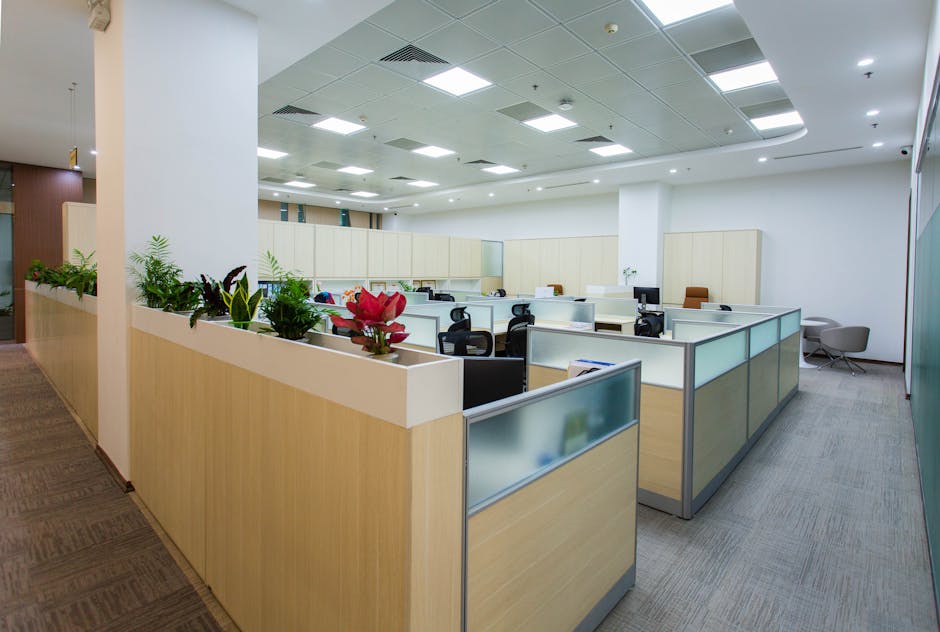
Modern office design champions flexible workspaces—zones that can easily adapt to varied tasks, from quiet focused work to collaborative meetings. Mobile whiteboards fit naturally into these flexible layouts:
- They can be moved quickly to create impromptu brainstorming spots or strategy huddles.
- They enable teams to visualize ideas or data on the fly without dependence on fixed screens or tech setups.
- They are useful in multi-purpose zones that switch between uses throughout the day or week.
However, the utility of mobile whiteboards depends on thoughtful spatial planning. If https://tessatopmaid.com/flexible-conference-room-ideas-for-a-small-office/ teams return to open-plan areas that are crowded or noisy, mobile whiteboards are less likely to be used effectively. Lum Chang Brandsbridge suggests that integrating mobile whiteboards within zones designed specifically for active collaboration ensures their consistent use.
Design for Real Workflows
Effective office design is not just about aesthetics but about support for real workflows. For a mobile whiteboard to be more than just a prop, workplace teams and facility managers must understand when and how employees collaborate. Observing and collecting data on employee movement, meeting habits, and communication preferences can inform placement and number of whiteboards. This reduces redundancy and enhances value.
For instance, a consulting firm might find that their mobile whiteboards are heavily used during client workshops in breakout zones but rarely in daily stand-up areas. Such insights allow targeted deployment and encourage usage aligned with actual needs.
Collaboration vs Privacy Balance
One persistent challenge in office design is balancing the need for collaboration with employee privacy and focus. Mobile whiteboards often occupy a middle ground — they belong to shared, dynamic spaces where teamwork happens, but these spaces must still allow sufficient quiet zones elsewhere.
Hybrid work furthers this tension by blurring physical presence Check out the post right here — some teammates are remote and use digital collaboration tools, while others are onsite using analog tools like whiteboards. Synchronization between these modes can be complex.
Collaboration Tool Typical Use Case Pros Cons Mobile Whiteboards In-person brainstorming, planning, ad hoc huddles Tactile, flexible, visual, encourages spontaneity Requires physical presence, susceptible to poor location, can be underused Digital Collaboration Platforms Remote teamwork, document sharing, asynchronous work Accessible anywhere, integrates chat/video, persistent data Less tactile engagement, screen fatigue Fixed Whiteboards and Screens Scheduled meetings, presentations Reliable setup, integrates tech, stable location Less flexible, limits spontaneous useStriking the right balance means deploying mobile whiteboards selectively in zones where they add the most value and pairing them with private work areas to maintain productivity. Lum Chang Brandsbridge advises companies to continually revise layout and inventory based on user feedback and evolving workflows, ensuring tools like mobile whiteboards remain relevant rather than obsolete.
Do Mobile Whiteboards Actually Get Used?
So, the big question: do mobile whiteboards actually get used in offices today? The answer is — it depends.
When integrated into flexible workspaces designed around real workflows and hybrid collaboration patterns, mobile whiteboards are actively used and appreciated. They are far from obsolete and provide unique advantages in supporting tactile, on-the-spot idea generation and team alignment.
Conversely, in static layouts without clear collaborative zones or where office culture heavily favors digital tools, mobile whiteboards may only gather dust or exist mainly as aesthetic fillers.
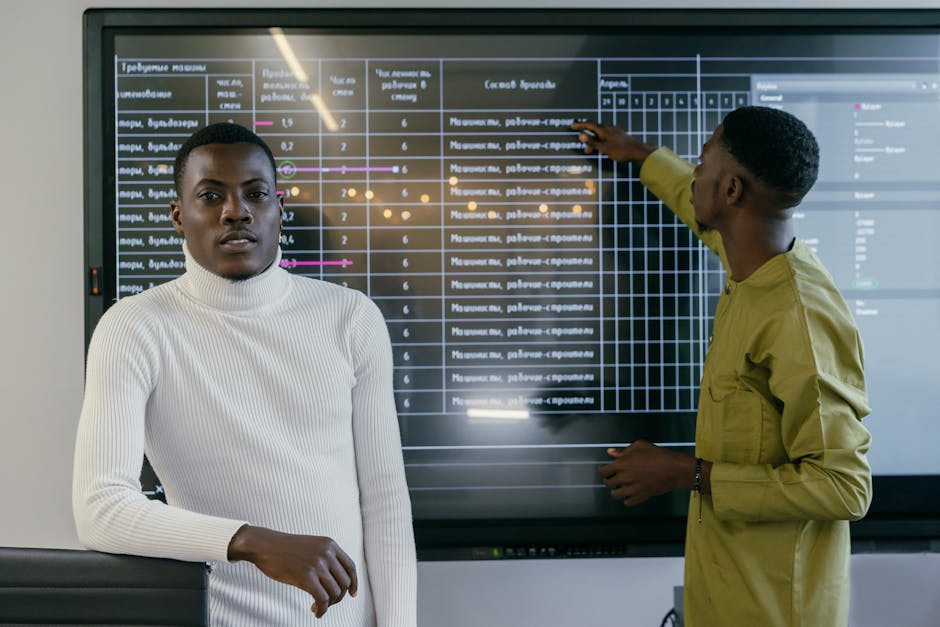
Harvard Business Review highlights that physical whiteboards and writable surfaces remain critical in facilitating creativity, especially in smaller group settings, provided the environment encourages their use. Organizations that take a deliberate, data-informed approach to workspace and tool design — much like Lum Chang Brandsbridge recommends — ensure that mobile whiteboards remain a vibrant part of their collaboration toolkit.
Tips for Encouraging Mobile Whiteboard Use
- Place them strategically: Near collaborative zones or meeting hubs.
- Train teams: Encourage habitual use in meetings and brainstorming.
- Maintain accessibility: Ensure mobility is unhindered by cluttered spaces.
- Pair analog with digital: Use mobile whiteboards alongside digital tools to maximize hybrid interaction.
- Gather feedback: Regularly ask employees about tool usefulness and adapt space accordingly.
Conclusion
Mobile whiteboards remain a meaningful collaboration tool within the flexible workspace ecosystem, especially as offices shift towards hybrid work models. Their usage hinges on thoughtful integration into dynamic, multi-purpose zones that reflect how teams actually work and communicate. With companies like Lum Chang Brandsbridge championing evidence-based design and research insights from authorities like Harvard Business Review, organizations can leverage mobile whiteboards to boost creativity, teamwork, and productivity.
In today’s evolving office landscape, a mobile whiteboard is far more than just a whiteboard on wheels — it’s a tool that, when used effectively, bridges gaps between physical and digital collaboration, providing teams with the flexibility they need to innovate and thrive.