How Many Indoor Heads Can One Outdoor Mini Split Condenser Run?
If you're considering upgrading your home's HVAC system or getting into the world of ductless mini splits, https://www.re-thinkingthefuture.com/article/best-diy-multi-zone-mini-split-air-conditioners-2026-guide/ a common question is: How many indoor heads can one outdoor mini split condenser run? Understanding this is especially important if you want to maximize comfort, efficiency, and cost savings.
Today, we'll dive into the nuts and bolts of multi-zone mini splits, discussing typical indoor air handler counts, the latest in true DIY systems from brands like Zone Air, MrCool, and Senville, and essential tools to know about. We’ll also explore important efficiency metrics like SEER2 and HSPF2 and set realistic expectations for cold-weather heating performance.
What is a Multi-Zone Mini Split System?
A multi-zone mini split system consists of one outdoor condenser unit connected to multiple indoor air handlers. Each indoor unit can independently control temperature within a room or zone, providing personalized comfort and energy savings. This setup is ideal for homes without existing ductwork or where adding ductwork would be impractical or expensive.
- Outdoor condenser: The central outdoor unit compresses and circulates refrigerant.
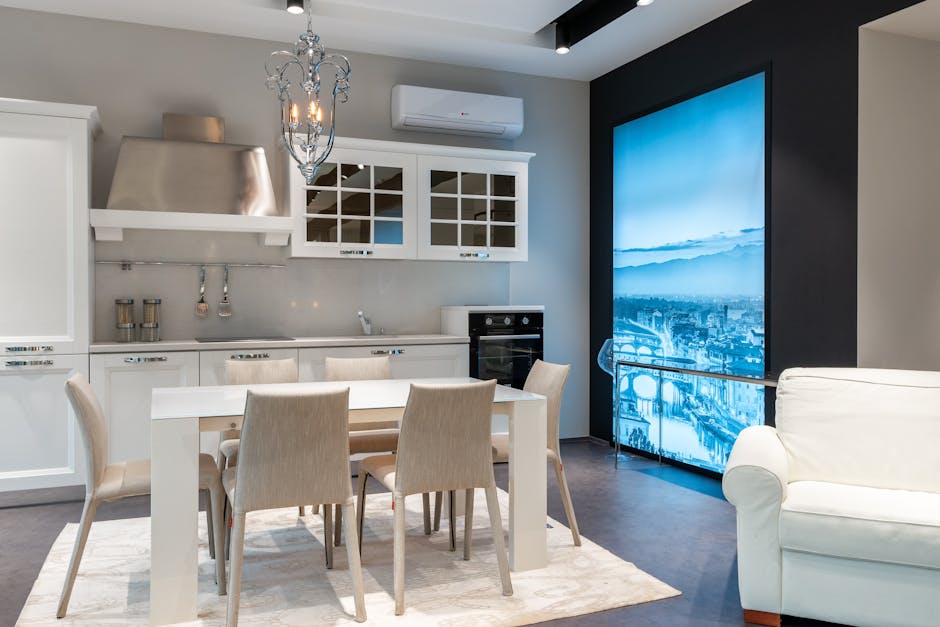
- Indoor air handlers (heads): Mounted inside each room or zone, these units supply heated or cooled air.
Typical Number of Indoor Heads per Outdoor Condenser
Most multi-zone systems from reputable brands support anywhere from 2 to 6 indoor air handlers per outdoor condenser. The exact number depends on the model and capacity of the condenser as well as the connected indoor units’ sizes.
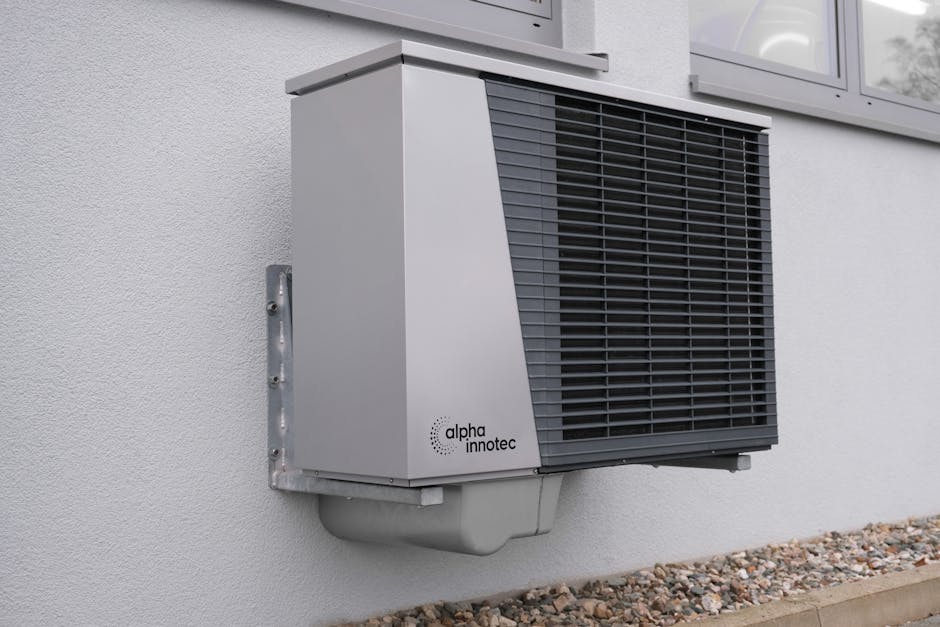
For example, a 36,000 BTU outdoor unit might comfortably support four indoor air handlers each rated at 9,000 BTU. Trying to run more indoor units than rated can cause reduced efficiency and potentially shorten system life.
Defining True DIY Mini Split Installations
In recent years, many manufacturers have introduced true DIY mini split systems designed to make installation easy and accessible to homeowners without professional HVAC training.
What Does "True DIY" Mean?
A true DIY mini split system eliminates the need for specialized HVAC tools and skills usually required for refrigerant handling. These systems come with pre-charged, quick-connect line sets that simplify installation by allowing you to:
- Mechanically connect the indoor and outdoor units without flaring or brazing refrigerant lines
- Skip vacuum pumping and refrigerant charging
- Install the system without professional HVAC technicians
Brands like MrCool have pioneered popular DIY quick-connect systems, and Zone Air and Senville now also offer options catering to DIY installers.
Tools Usually Not Needed for DIY Quick Connect Mini Splits
- Vacuum Pump: Typically required to remove air and moisture from refrigerant lines in traditional systems, but unnecessary with pre-charged, sealed quick-connect lines.
- Refrigerant Gauges: These instruments monitor pressure and refrigerant charge for traditional refrigerant line setups, but not needed for sealed, pre-charged DIY systems.
This ease of installation dramatically reduces upfront costs, helping homeowners upgrade their comfort with little hassle.
Understanding Pre-Charged Quick Connect Line Sets
Pre-charged quick connect line sets are at the heart of the true DIY mini split revolution.
Instead of requiring skilled technicians to cut, flare, brazepipe, vacuum the lines, and recharge refrigerant, these line sets come:
- Pre-charged with factory-sealed refrigerant
- With quick-disconnect fittings that tightly seal without special tools
- Designed for easy and fast plug-and-play style installation
This innovation directly addresses homeowner concerns about complexity and refrigerant handling safety. Brands like MrCool popularized this approach, with Zone Air and Senville following suit.
Efficiency Metrics: SEER2 and HSPF2 Explained
When selecting a multi-zone condenser or indoor air handlers, efficiency ratings determine your real-world energy consumption and cost savings. Two modern rating systems to understand are SEER2 and HSPF2.
What is SEER2?
SEER stands for Seasonal Energy Efficiency Ratio. SEER2 is the updated testing standard that takes into account improved measurement procedures to more accurately reflect real-world cooling efficiency.
The higher the SEER2 rating, the more efficient the cooling operation:
- A rating above 20 SEER2 indicates top-tier efficiency.
- Modern multi-zone condensers from Zone Air, MrCool, and Senville often range from 16 to 22 SEER2.
What is HSPF2?
HSPF stands for Heating Seasonal Performance Factor. HSPF2 is the latest standard reflecting heating efficiency, similar to SEER2 but for heat pump mode.
Higher HSPF2 means better electrical to heating output conversion, especially critical in colder months.
- Typical modern multi-zone heat pumps achieve 9.0 to 13.5 HSPF2.
- Look for systems boasting at least 10 HSPF2 for reliable winter performance.
Cold-Weather Heating Reality Checks
Mini splits are heat pumps, meaning they extract heat from outside air even in cold weather and transfer it indoors. However, “cold weather heating” is not magic — there are limits.
What to Expect in Cold Climates
- Performance Decreases as Temperature Drops: Heat pumps get less efficient at very cold outdoor temps (below 25°F to 5°F depending on model).
- Supplemental Heat May be Needed: Most multi-zone condensers have optional electric strip heat or rely on auxiliary heating sources when outdoor temps fall below thresholds.
- Advanced Cold-Climate Models: Some Senville and MrCool models are rated for operation down to 5°F or even below, making them suitable for many cold areas.
Keep these realities in mind when choosing indoor units and configuring how many zones your outdoor condenser should handle in colder regions.
Summary: How Many Indoor Heads Can You Run on One Outdoor Mini Split?
- Multi-zone mini splits commonly support between 2 and 6 indoor air handlers on one outdoor condenser. Most homeowner systems fall between 2 to 4 zones, but some higher-capacity Senville units support 5 or 6 zones.
- True DIY quick connect mini splits from MrCool, Zone Air, and Senville simplify installation by using pre-charged, sealed line sets — no vacuum pump or refrigerant gauges needed.
- Look for systems with strong SEER2 and HSPF2 ratings for year-round efficiency.
- Understand your climate and cold-weather heating needs so you don’t overload zones beyond the outdoor condenser’s capacity or operating design.
With proper sizing, a well-chosen multi-zone ductless mini split system can bring efficient, customizable comfort to every corner of your home.
Helpful Resources
- Zone Air Official DIY Mini Split Systems
- MrCool Quick Connect Mini Split
- Senville Multi-Zone Heat Pump Systems
If you’re thinking about a DIY installation, remember to double-check model compatibility, indoor unit capacities, and your own comfort requirements to ensure a perfect multi-zone mini split setup.
```