How Much Do Skips and Scaffolding Affect Extension Costs?
When budgeting for a home extension in 2026, homeowners often underestimate the impact of skips and scaffolding on overall costs. These seemingly minor line items can substantially influence your project budget, especially when combined with local factors like Rugby Borough Council’s lawful development certificate process, access difficulties, and labour rates unique to the Midlands versus London. In this in-depth guide, we’ll explore typical per-square-metre extension pricing, compare single-storey and two-storey projects, and delve into skip cost variability and scaffolding expenses related to site access and parking restrictions.
Understanding 2026 Extension Costs: A Midlands Perspective
When planning your extension budget, it helps to break down costs into manageable sections rather than relying on lump-sum quotes. This approach avoids surprises and clarifies what you’re paying for at each stage. Typical full-scope extension pricing in the Midlands ranges roughly from £1,200 to £1,800 per square metre, depending on specification. This is notably less costly than equivalent projects in London, where labour and site constraints drive prices up to £2,500 or more.
Key cost drivers include:
- Labour costs: Midlands tradespeople charge lower hourly rates than London counterparts, helping you get more value.
- Access: Ease of site access impacts scaffolding and labour productivity, which influences overall price.
- Material costs: Basic but good-quality materials have a direct effect on per-square-metre pricing.
- Planning and permissions: Permitted development rights versus formal planning permission — including potential costs for applications and surveys — affect timelines and budgets.
Single-Storey vs Two-Storey Extension Tradeoffs
Deciding between a single-storey and two-storey extension ultimately comes down to plot, budget, and lifestyle needs. Here’s how these options differ in costs and complexity:
Aspect Single-Storey Extension Two-Storey Extension Typical cost per m² £1,200 - £1,600 £1,500 - £1,800 Planning complexity Permitted development often applies, quicker approvals More likely requires full planning permission Scaffolding needs Minimal to moderate scaffolding Comprehensive scaffolding almost always required Construction time Shorter, lower labour hours Longer timeline, increased labour costsIn Rugby and wider homeowners alliance moving cost Midlands areas, the labour cost advantage offsets some of the additional complexity for two-storey projects compared to higher-priced London zones.
Skips Cost Variability: What Homeowners Need to Know
A common oversight is underestimating skips cost variability. Skip hire prices depend on these main factors:
- Size of the skip: Usually ranges from 4 to 12 cubic yards. Larger projects with soil and brickwork will require bigger or multiple skips.
- Duration of hire: Standard hire is 7 days; extensions incur extra daily fees.
- Access and delivery location: Narrow drives or no side access—as common with Rugby’s interwar and postwar semis—can complicate skip placement, sometimes requiring road permits or smaller skips doubled up.
- Waste type: Mixed waste generally costs more due to disposal and recycling fees.
Typical skip hire costs for a 6-yard skip in Rugby start around £150 to £250 but can escalate with parking restrictions or longer hire needs.
Remember: Always ask whether the skip quote includes VAT. Some quotes hide VAT, which can add 20% unexpectedly.
Parking and Trade Time Impact on Skip Costs
If parking your skip on a public road, Rugby Borough Council may require a permit, which typically costs £50-£100 and might take time to arrange. Permitting delays can extend hire duration, inflating costs and slowing trades.
Also consider that if tradesmen spend time maneuvering materials due to inaccessible skips, this reduces efficiency and raises overall labour expenditure. Keeping skips close to the workfront and ensuring straightforward Great site trade access can save you a five-figure sum on longer projects.
Scaffolding and Access Costs: The Hidden Budget Busters
Scaffolding is usually one of those essential but “invisible” cost elements that can confuse homeowners. For extensions, scaffolding cost depends on:
- Project height and complexity: Two-storey extensions need full elevations scaffolded; single-storey may require only partial or edge scaffolding.
- Side access: Narrow side passages common in the Midlands’ typical semi-detached homes increase setup labour.
- Parking and site space: Compressing scaffolding in tiny front yards or road verges can require road space licenses and specialist installation.
- Duration needed: Longer construction timelines mean higher scaffold hire fees.
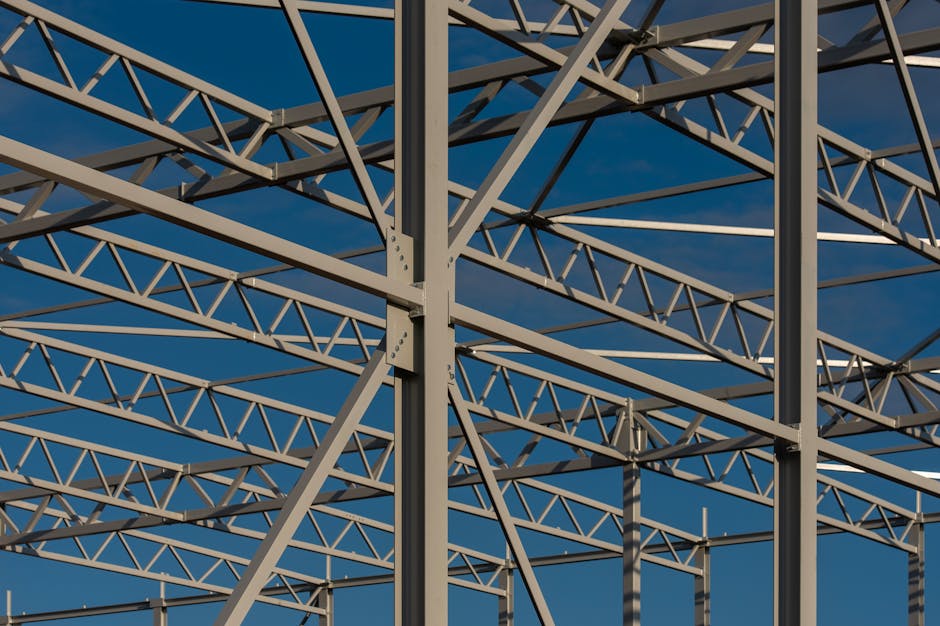
Typical scaffolding hire in the Midlands for an average two-storey extension is between £1,200 and £2,500. Sites with tight driveways or no rear access push costs above this range.
Trade Time and Scaffolding Efficiency
Efficient scaffolding setup directly affects trade time. When scaffold bays are easily accessible and materials can be hoisted via scaffold rather than carried through tight interior alleys, builders work faster, reducing overall labour hours and controlling costs.
Conversely, poor access leads to “time penalties.” This means trades charge more, and overall disruption increases. Sometimes the scaffold costs are dwarfed by extra trade time, so think about how hoists, crane access, or temporary hardstanding yards might make sense.
Planning Permission, Permitted Development, and Conservation Areas
Understanding your rights regarding planning is crucial for extension budgeting. The Rugby Borough Council’s lawful development certificate process offers clarity about whether your proposed build complies with permitted development rights, avoiding costly planning applications.
If your extension is:
- Within permitted development limits, you can typically start construction faster and cheaper, with no planning fees.
- Outside permitted development, you'll need a full planning submission, with fees around £250 to £400, plus potential surveys and architect costs.
- In conservation areas or listed building zones, expect stricter conditions, specialist surveys, and higher costs.
By checking Rugby Borough Council’s planning portal and using the lawful development certificate process, you reduce the risk of enforcement notices and redesigns, which can significantly inflate your budget.
Summary: How Skips and Scaffolding Shape Your Extension Budget
In 2026, when factoring in the per-square-metre cost of extensions in the Midlands, skips and scaffolding can easily add 8-15% to your overall budget if not properly planned. Here's a quick mental checklist for groundworks and access surprises before getting your quote:

- Confirm if skip quotes include VAT and permit fees.
- Assess skip size needs realistically—overbook slightly to avoid multiple hires.
- Check if side or rear access exists to reduce scaffolding scope and costs.
- Confirm parking restrictions early and arrange road permits if necessary.
- Ask your builder for a detailed scaffolding and site setup cost breakdown, not just lump sums.
- Review planning status and consider lawful development certificates to avoid unexpected delays.
By proactively addressing skips, scaffolding, and access, you protect your budget against common hidden costs and enhance build efficiency. Remember: it’s better to get a clear stage breakdown and avoid “it depends” answers without ranges—this prevents surprises and helps your project finish on time and within budget.
Useful Resources
- HomeOwners Alliance cost of moving calculator
- Rugby Borough Council Planning Portal