Why Does a Zone Air 12K Cost $2,049.99? Breaking Down the Price of a DIY Cold-Climate Mini Split
If you’ve spent any time researching mini split HVAC systems recently, especially for cold-climate regions, you’ve noticed one thing: the price tags vary widely. For instance, a Zone Air DIY 12K system hovers around $2,049.99. That might seem steep compared to some big-box options, but it packs a lot into that price.1 Let’s unpack what you’re really paying for and why the cost makes sense, especially when you compare it side-by-side with brands like MRCOOL and Cooper & Hunter.
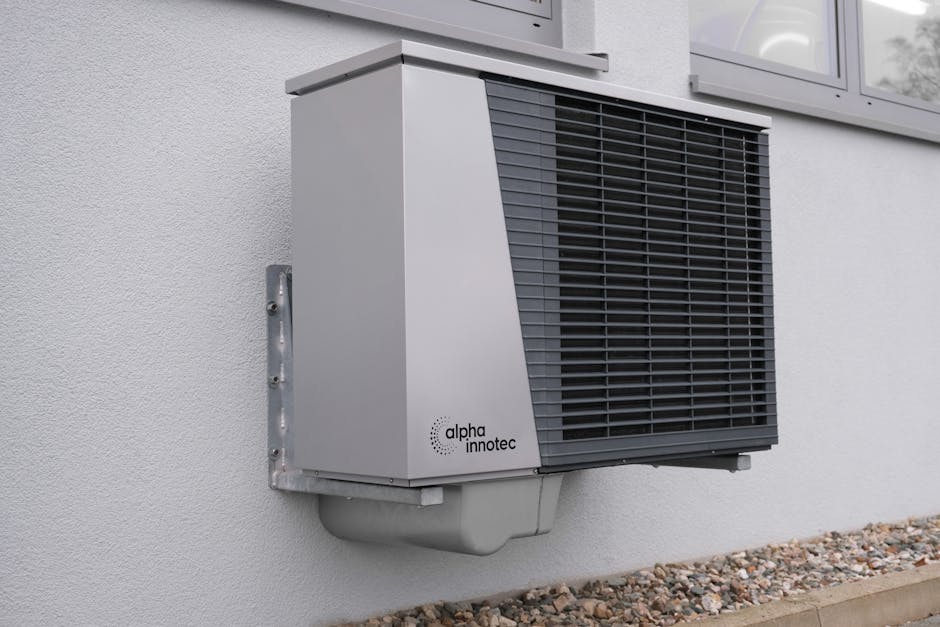
Cold-Climate Performance to -22°F: Don’t Mistake Ratings for Reality
When you see a mini split boasting operation down to -22°F, it’s tempting to think that means full heating at that freezing temperature. That’s not quite the case. Here’s what you need to know:
- Rated cold-weather operation means the system can turn on and run without freezing up, not that it delivers 100% of its rated BTU heat output at those temps.
- Systems from Zone Air, as well as MRCOOL and Cooper & Hunter, often include enhanced compressors and defrost cycles designed for cold climates, but expected heat output at -22°F typically drops significantly.
- This is critically important because if you’re in a region that dips that low regularly, relying solely on a mini split without supplemental heat can leave you underheated.
So, part of the $2,049.99 cost for the Zone Air 12K includes engineering optimized for frigid climates, durable compressors, and smart defrost technology that justifies NEEP ccASHP list the investment versus lower-cost models not designed for these conditions.
DIY vs Professional Install Reality: What You’re Paying For
Because Zone Air targets the DIY market, it’s tempting to see that $2K+ as purely a parts cost—but it’s more nuanced.
- DIY Doesn’t Mean No Electrician: Even if Zone Air’s 12K comes with a 115V plug-in option, many local codes require a dedicated circuit installed by a licensed electrician. That’s a hidden cost most beginners overlook.
- Tools Matter: Installing mini splits involves precise torque on refrigerant line connections. Using a torque wrench is mandatory to avoid leaks or line damage—often an investment in tooling comparable to part of your purchase price.
- Soapy Water Leak Checks: After connecting the pre-charged line set, a thorough leak check using soapy water is a must—air bubbles reveal leaks that lead to efficiency losses or complete system failures over time.
So, the price bundles quality parts engineered for DIY installs, but be prepared to invest in tools, potential electrician labor, and learning curve costs if you’re new to the process.
Line Set Design and Leak Prevention: The Silent Cost Factor
The line set is often underestimated when comparing price tags. Zone Air includes a pre-charged line set designed to simplify installation for DIYers, but there’s a lot going on here:
- Length and Routing Realities: The stated line set length might look generous, but allowances must be made for coil connections, curves, coupling adapters, and insulation—all of which can reduce effective workable length.
- Joining Quality: Proper flare or sweat connections require careful torque and sealing. Over-tightening or loose fits can cause leaks invisible until the vacuum is lost or cooling is compromised.
- Pre-Charged vs. Field Charging: Unlike pros who vacuum and charge refrigerant on site, DIY pre-charged line sets are sealed, making them easier to install but also limiting extension options beyond their original length without costly add-ons.
By contrast, MRCOOL’s DIY line sets are typically similar in concept, while Cooper & Hunter lean more toward professional-grade equipment requiring field charging. This pre-charged line convenience justifies some price premium for Zone Air.
115V Plug-in vs 230V Hardwired: Flexibility Has a Price
One of the https://cleaneverycorner.com/how-do-i-size-btus-per-square-foot-for-a-cold-climate-garage/ biggest draws of DIY mini splits like Zone Air’s 12K is the 115V plug-in option. This means you can plug it into a standard outlet without rewiring your home—at least in theory.
Feature 115V Plug-In 230V Hardwired Installation Simplicity Plug and play; minimal electrician work (depending on local code) Requires licensed electrician for dedicated circuit and wiring Power Capacity Limited to smaller heads or slightly reduced performance Supports full rated capacity and larger systems Cost Potentially higher equipment cost to integrate plug and internal converter Lower cost per unit but extra labor expenses Code & Permits Varies by jurisdiction; often requires a dedicated outlet circuit Typically mandatory hardwired per local electrical codesZone Air’s incorporation of 115V plug-in simplicity into their 12K adds convenience that’s attractive for DIY enthusiasts but also factors into the cost structure. Both MRCOOL and Cooper & Hunter offer plug-in options on select models, but the engineering and UL certifications needed drive up prices.
Direct to Consumer Pricing: Cutting the Middleman, But Not Free
Zone Air operates on a direct to consumer model, which means you’re buying straight from the manufacturer instead of a dealer or wholesaler. This offers advantages and some tradeoffs:

- Transparency: You pay a price reflective of manufacturing costs, built-in warranty, and support rather than dealer markups.
- Bulk Purchasing: Without dealer inventory, Zone Air can manage production to meet customer demand efficiently.
- Customer Support: The DIY model requires more reliance on online manuals and developer support, which may be less hands-on than a local contractor.
- Return & Shipping: Handling returns or warranty repairs is on you, adding another layer of "hidden" cost.
That $2,049.99 price you see is competitive given the efficiency rating ( 24 SEER2 efficiency), the cold-weather rating, and the inclusive pre-charged line set—which otherwise might push the total install cost above $3,000 when you factor in labor and tools.
Final Take: What You’re Really Paying For in a Zone Air DIY 12K System
Summarizing everything above, the $2,049.99 price tag of the Zone Air DIY 12K system includes:
- Advanced cold-climate engineering capable of operating down to -22°F reliably
- Premium components that meet or exceed 24 SEER2 efficiency standards for year-round savings
- A factory pre-charged line set engineered for straightforward DIY installation and leak prevention
- 115V plug-in convenience with UL certifications for safety and code compliance in many areas
- Direct to consumer pricing eliminating dealer markups but necessitating DIY preparedness
- Tools and process requirements like torque wrench use on quick connects and soapy water leak checks to prevent costly leaks
- Hidden costs awareness: electrician labor, permits, line set management, and installation learning curve
It’s a solid choice if you’re technically inclined, have some HVAC experience, or can plan a carefully supervised DIY or semi-pro install. For cold climates and a meaningful balance between price and performance, that $2,049.99 investment reflects real value rather than mere sticker shock.
References
- Zone Air 12K Mini Split System product page and pricing as of 2024
- DOE SEER2 efficiency standards updates for 2023-2026 models
- Latest MRCOOL and Cooper & Hunter DIY mini split model comparisons and buyer reviews, 2024-2026